


Crawl Space Moisture and Condensation in March: What Gulf Coast Homeowners Should Know
March in Northwest Florida brings warmer afternoons, cooler nights, and increasing humidity. While the weather may feel comfortable above ground, these changing conditions often create serious moisture problems beneath your home.
Crawl space moisture is one of the most common issues facing homeowners in Pensacola, Destin, Fort Walton Beach, and Panama City during early spring. As temperatures rise and humidity increases, condensation can quickly develop under your home, leading to structural and air quality concerns.
Here is why March creates the perfect environment for crawl space moisture problems and what you can do about it.
Why March Weather Increases Crawl Space Moisture
Warm Air Meets Cooler Surfaces
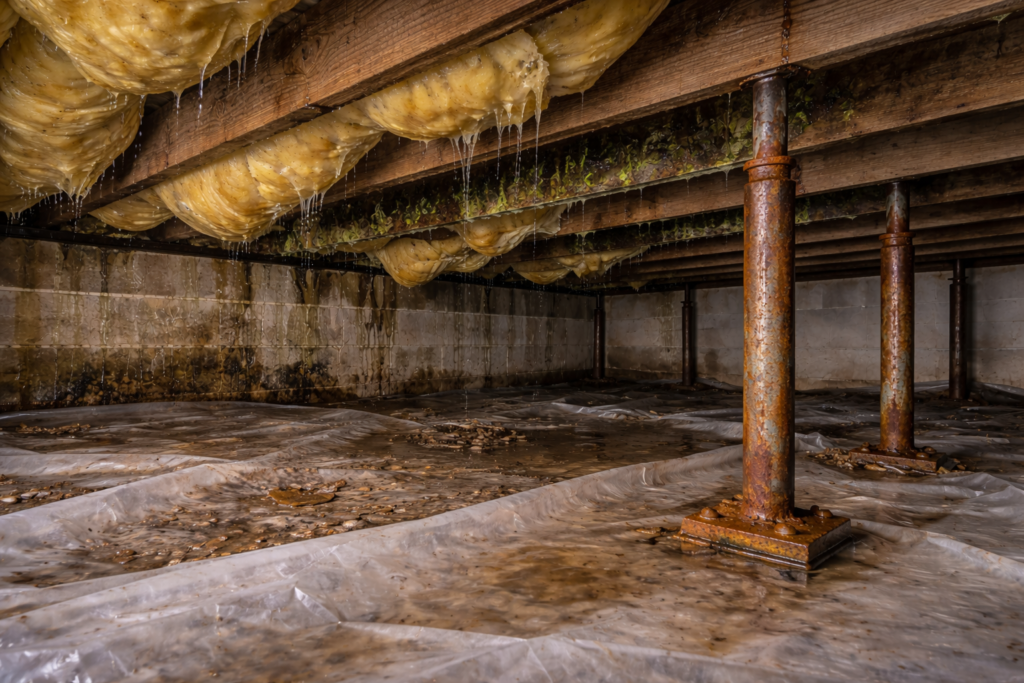
During March, daytime temperatures often climb while nights remain cool. When warm, humid air enters your crawl space and comes into contact with cooler surfaces such as floor joists or ductwork, condensation forms.
This moisture can accumulate quickly and lead to:
- Damp insulation
- Wet wood framing
- Mold and mildew growth
- Rusting metal supports
Even small amounts of condensation can cause long-term damage if left untreated.
Increased Spring Humidity
As spring approaches, humidity levels begin to rise across the Gulf Coast. Open or vented crawl spaces allow moist outside air to enter and linger beneath the home.
Without proper moisture control, this trapped humidity creates a constantly damp environment that weakens structural materials over time.
Poor Drainage After Winter Rains
March often follows months of winter rainfall. If drainage around the home is not properly managed, groundwater and surface runoff can seep into the crawl space.
Standing water or damp soil under your home increases the risk of:
- Wood rot
- Sagging floors
- Musty odors inside the home
- Structural instability
Signs You May Have Crawl Space Moisture Issues
Many homeowners do not realize they have a crawl space problem until it begins affecting the living space above.
Watch for these warning signs:
- Musty smells inside the home
- Increased indoor humidity
- Soft or bouncy floors
- Visible mold on baseboards
- Condensation on air vents
If you notice any of these issues, your crawl space may be holding excess moisture.
How to Prevent Crawl Space Moisture in March
Improve Exterior Drainage
Make sure gutters are clear and downspouts direct water away from your foundation. The ground around your home should slope away from the structure to prevent pooling.
Install a Vapor Barrier
A properly installed vapor barrier helps block ground moisture from rising into the crawl space. This is one of the most effective ways to control humidity levels beneath your home.
Consider Crawl Space Encapsulation
Encapsulation systems seal the crawl space and create a controlled environment. When combined with dehumidification, encapsulation significantly reduces condensation and moisture damage.
Schedule a Crawl Space Inspection
March is the ideal time to inspect your crawl space before summer humidity and storm season arrive. Addressing moisture early prevents more costly structural repairs later in the year.
Protect Your Home Before Spring Storm Season
Crawl space moisture problems rarely fix themselves. As temperatures rise and humidity increases across Northwest Florida, conditions under your home can worsen quickly.
If you suspect moisture or condensation issues beneath your home, schedule a free crawl space inspection with Emerald Coast Foundation Repair today. Our team understands the unique Gulf Coast climate and provides long-term solutions designed for Florida homes.